
Virginia's Migratory Bird Byway
A Natural Highway for Winged Travelers
Stretching along one of the most ecologically significant corridors on the Atlantic Coast, the Eastern Shore of Virginia’s Migratory Bird Byway offers a front-row seat to one of nature’s most spectacular journeys. Each year, millions of birds follow this ancient aerial route, pausing along the peninsula’s coastal marshes, barrier islands, and woodlands to rest and refuel before continuing their voyage north or south.
The byway is part of the larger Atlantic Flyway, a vital migratory path that extends from the Arctic tundra to the Caribbean and South America. The Eastern Shore serves as a crucial stopover point; a final safe haven before birds make the long flight across open water or a welcoming first landfall after their ocean crossing.
A Birder’s Paradise
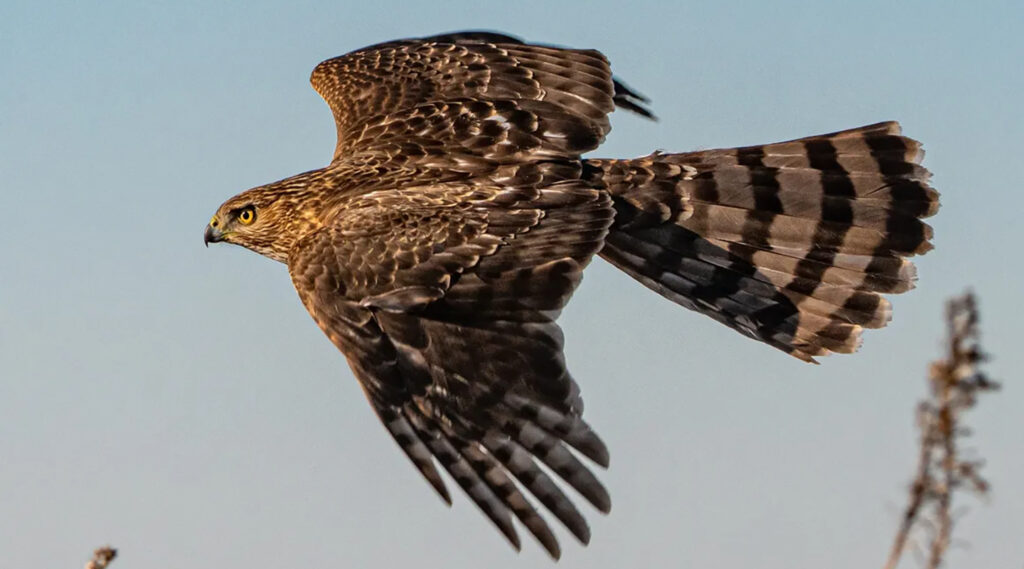
Fall and spring bring waves of migratory visitors including warblers, raptors, shorebirds, and waterfowl. They fill the skies with movement and song. At dawn, you might glimpse flocks of snow geese lifting from the marsh, while peregrine falcons and ospreys wheel overhead in search of prey.
A Journey Through Diverse Habitats
Traveling along the byway reveals a living mosaic of habitats including tidal creeks, maritime forests, salt marshes, and open farmland. These ecosystems support not only migratory birds but also butterflies, monarchs, and other pollinators that depend on the same seasonal cycles.
Plan Your Visit
The best viewing times are late September through November for fall migration and March through May for spring. Bring your binoculars, a camera, and a sense of wonder because every visit along the Migratory Bird Byway is a reminder of how beautifully connected the Eastern Shore is to the wider natural world.